
 Image 1 of 2
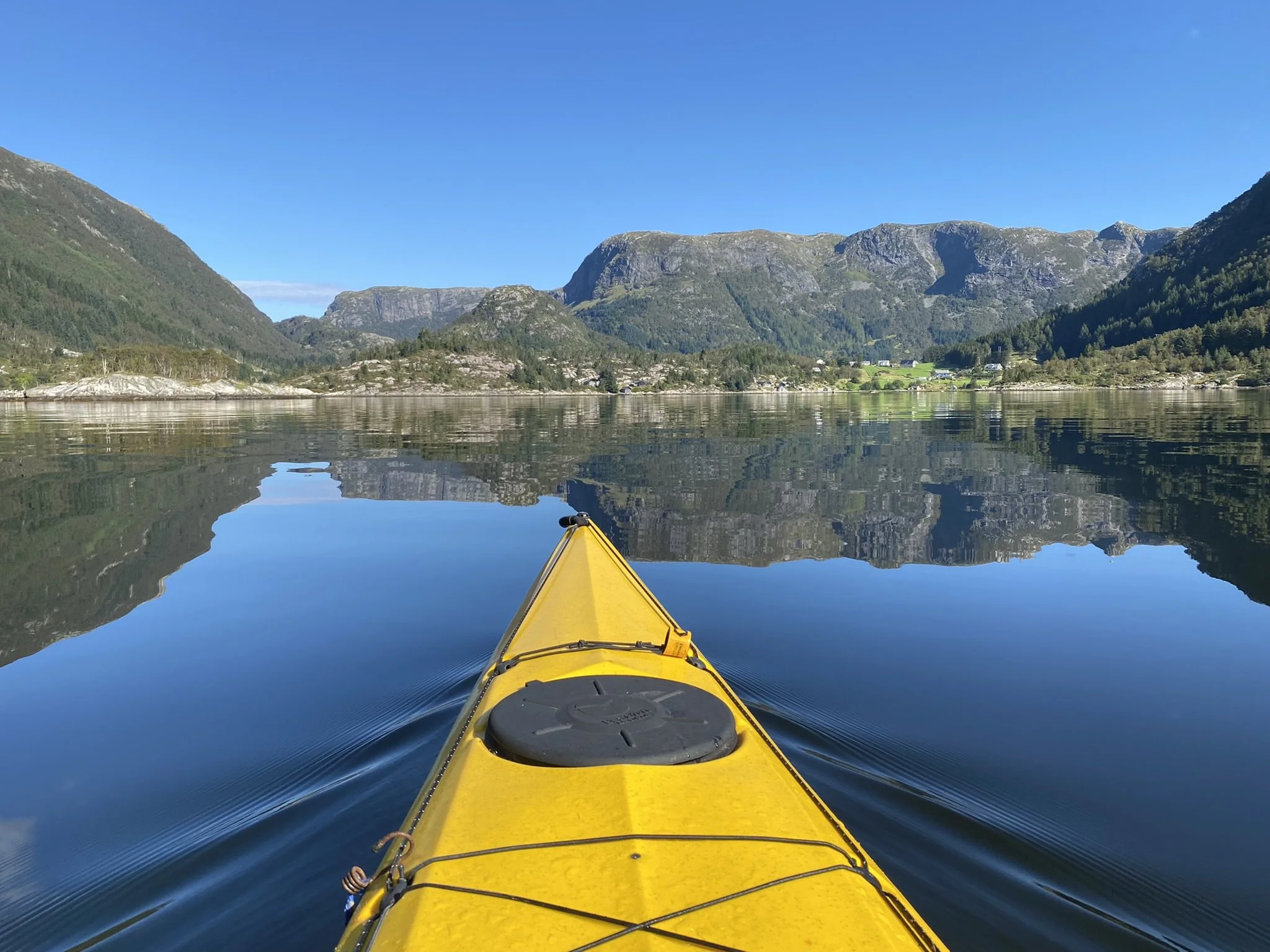 Image 2 of 2
Bergen to Skjerjehamn
Where Land Meets the Atlantic: Discovering Skjerjehamn's Maritime Character
The western reaches of Norway's fjord landscape represent some of Europe's most distinctive maritime territory. Our private journey from Bergen to Skjerjehamn extends seven to eight hours through fjord passages and coastal waters that few international visitors ever encounter. This expedition carries you beyond the archipelago's inner complexity into more open waters where the Atlantic's presence becomes increasingly felt, where the landscape assumes a distinctly maritime character shaped by wind, wave, and seasonal Atlantic storms.
Skjerjehamn itself represents a fascinating convergence of community life, fishing heritage, and Norwegian coastal culture. Yet the destination matters less than the journey itself. These seven to eight hours permit genuine immersion in West Norwegian maritime landscape—territory where the boundary between fjord and open ocean blurs, where geography transitions from the protected passages of inner archipelago to the more exposed waters characterising the Atlantic coast.
What distinguishes this expedition from commercial tourism alternatives is precisely the private nature of the experience. Mass tourism to famous fjord destinations serves generic interests. Our private approach permits customisation, flexibility, and the kind of engagement with landscape and culture that genuine travel—as opposed to tourism—requires.
Seven to Eight Hours of Progressive Exposure
Your departure from Bergen harbour marks the beginning of a journey that gradually transitions from sheltered water passages to more exposed Atlantic-influenced coastline. The first hour navigates familiar archipelago territory—the complex island formations that have defined Bergen's character for millennia. Yet progressively, the passages widen. Island passages give way to larger water bodies. The protected channels of inner archipelago yield to wider vistas.
This progression matters psychologically. You don't abruptly transition from urban environment to pristine wilderness. Instead, you experience gradual immersion—a transition that respects human perception and allows genuine adjustment to changing landscape. By the time you've travelled three hours, you've mentally moved far from Bergen's urban centre, even though the city remains accessible.
Your guide's expertise becomes increasingly valuable as you progress towards more exposed waters. Navigation in open Atlantic-influenced waters differs markedly from archipelago passages. Weather patterns shift unpredictably. Tidal currents become significant. Wave conditions change. An experienced guide doesn't merely know these waters; they possess intuitive understanding of how conditions change, what weather patterns mean, and how to navigate safely while optimising your viewing opportunities.
The Transition Zone: From Fjord to Atlantic Influence
The coastline approaching Skjerjehamn represents a fascinating geographical transition zone. You're experiencing the boundary between protected fjord environment and the Atlantic's more exposed character. This transition reveals itself subtly—in the water's colour, in wind patterns, in the types of vegetation visible on islands and headlands, in the architectural character of settlements adapted to more exposed coastal conditions.
Vegetation reflects this transition. Inner archipelago islands feature coastal forests and sheltered valleys. As you progress towards Skjerjehamn, vegetation becomes sparser. Exposed headlands feature wind-sculpted plant communities. The dramatic maritime wind patterns shape not merely the water you navigate, but the entire ecosystem surrounding you.
Your guide interprets these transitions, helping you understand how geography creates distinct ecological and cultural zones. You're not merely moving from point A to point B; you're experiencing how landscape transitions based on exposure, precipitation, and maritime influence.
Skjerjehamn: Community at the Coastal Edge
Skjerjehamn itself presents a particular character—a community that has adapted to exposed Atlantic coastal conditions. The settlement is smaller than major fjord villages, reflecting its situation in more demanding maritime territory. Architecture reflects practical adaptation to weathering—buildings designed to withstand Atlantic storms, harbour facilities built for security in rough waters.
The community's fishing heritage remains vital to contemporary identity and economic life. Unlike some Norwegian coastal communities that have shifted towards tourism or other economic activities, Skjerjehamn remains fundamentally connected to fishing practices. Your guide understands these practices from lived experience and can explain how contemporary fishing communities maintain themselves in increasingly regulated international waters.
This engagement with genuine community life—rather than with communities organised around tourism—offers something increasingly rare in contemporary travel. You're not visiting a destination that has reorganised itself to serve tourist needs. You're encountering a community where genuine life persists, where economic and social structures remain oriented towards community needs rather than visitor accommodation.
The Landscape Character: Exposed Coastal Beauty
The coastline approaching and including Skjerjehamn displays a distinctive character. Without the protected fjord basins of inner territory, the landscape assumes a more dramatic, weather-shaped quality. Rock formations appear more angular, weathered by Atlantic storms and salt spray. Vegetation appears more resilient, adapted to harsh coastal conditions.
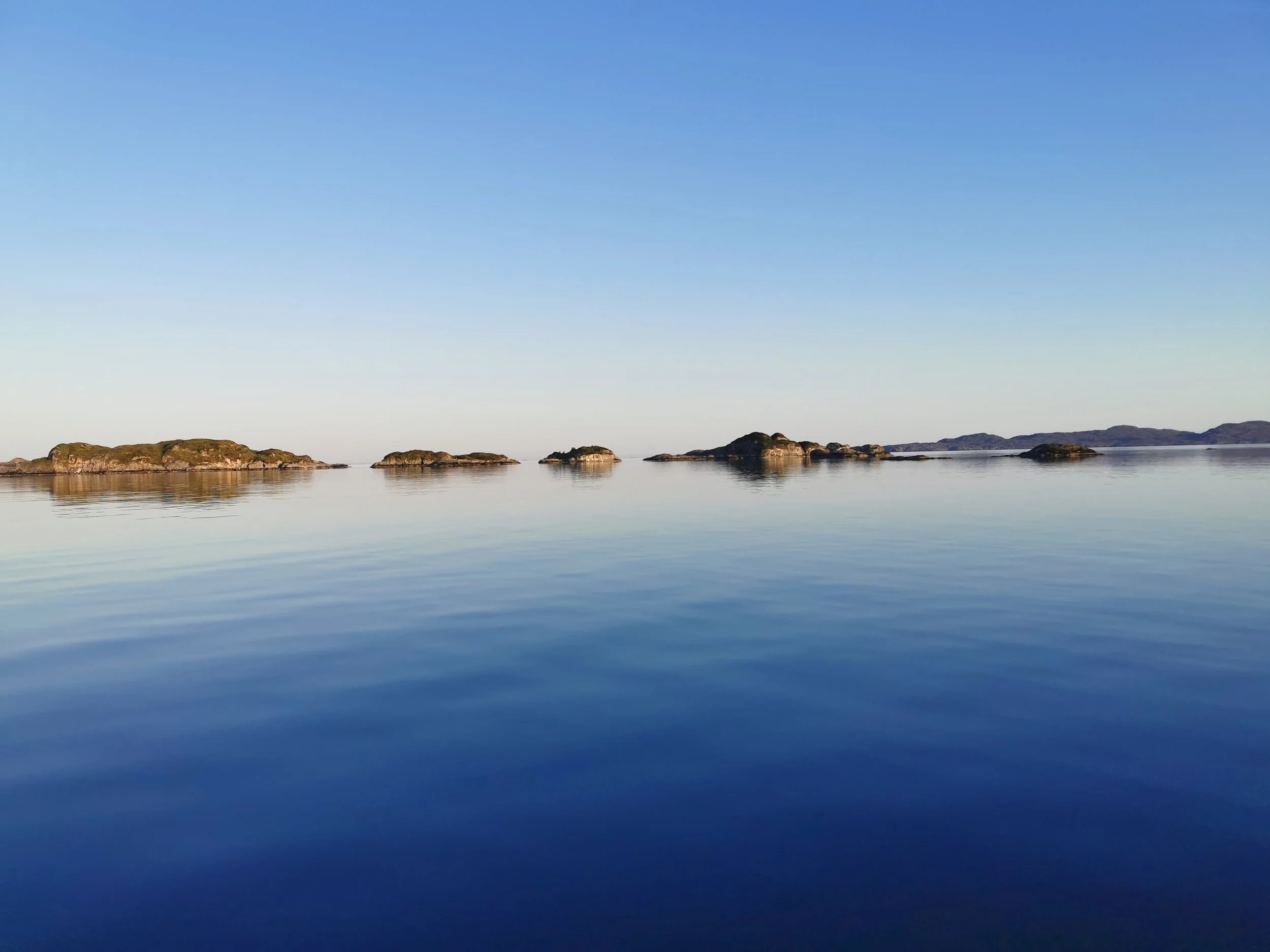
The water itself displays different qualities. Protected fjord water often appears almost glass-like. Atlantic-influenced water carries more movement, more energy. On calm days, this manifests as gentle swell. On weather days, it becomes genuinely challenging. Your guide manages boat operations skillfully regardless of conditions, but the maritime character of the landscape becomes inescapably apparent in exposed waters.
This exposure shouldn't intimidate. Norwegian boat captains and guides operate safely in these waters routinely. Yet the experience differs meaningfully from protected fjord passages. You're genuinely at the margin of human settlement, at territory where nature remains fundamentally wild rather than domesticated through tourism infrastructure.
Seasonal Variations: When to Experience Skjerjehamn
Each season offers distinct advantages for exploring this exposed coastal territory. Spring brings increasing daylight, awakening maritime activity, and the beginning of summer fishing seasons. Summer offers full accessibility, warmer weather (by Norwegian standards), and near-constant daylight. Autumn transforms the landscape into more dramatic beauty with intense light and reduced commercial tourism. Winter presents challenges but offers particular beauty for those equipped to handle it—clearer air, more dramatic storms, and Northern Lights viewing potential.
Your guide can advise which season aligns with your interests. Photography enthusiasts might prefer autumn light. Those interested in fishing operations might prefer late spring or summer when activity peaks. Those seeking dramatic coastal conditions might specifically request winter expeditions (weather permitting).
Sustenance Amid Exposed Coastline Beauty
Throughout your seven to eight-hour journey, fresh fruit, premium snacks, and mineral water sustain you—provided at moments that enhance rather than interrupt your immersion in the unfolding landscape. For those wishing to mark the occasion or enjoy an aperitif while observing the dramatic coastline, beverages are available for purchase.
This provision reflects fundamental principle: truly private experiences anticipate needs without requiring articulation. You're never searching for refreshment in commercial canteens or negotiating availability. What you require is there, selected for quality, integrated seamlessly into your journey.
The Expertise Factor: Local Knowledge in Exposed Waters
What distinguishes this experience profoundly from hiring any boat is the expertise embedded in your guide. This person possesses years—often decades—of experience navigating these specific waters. They understand not merely how to operate a boat safely, but how to navigate these waters optimally.
Your guide knows where golden eagles hunt. They understand seasonal fish movements. They possess weather prediction capabilities developed through years of observation. They can read water conditions—colour, movement, ripple patterns—and extract information about currents, depths, and approaching weather. They know local maritime history and can point out locations of significant wrecks or historical maritime events.
This expertise matters fundamentally for exposed water navigation. Unlike protected fjord passages where mistakes carry limited consequence, open water navigation requires genuine skill and experience. Your guide's expertise isn't merely convenience; it's safety and optimal experience combined.
The Economic Value: NOK 55,000 for Exceptional Immersion
At NOK 55,000 for a full-day private experience navigating some of Norway's most distinctive coastline, this represents excellent value when calculated in terms of exclusivity, expertise, and genuine encounter. You're investing in access to territory that few international visitors experience, guided by local expertise accumulated over years, aboard a vessel carrying only your group.
This pricing reflects the economics of private service provision in demanding maritime environments. Your guide's expertise, vessel insurance, fuel costs, and the premium of exclusivity itself combine to create the total investment. Commercial alternatives might charge similar per-person rates while delivering generic experience shared with dozens and adhering to predetermined itineraries.
Customisation Within the Skjerjehamn Route
While Bergen to Skjerjehamn represents a natural and magnificent journey, the specific itinerary remains flexible. Photography enthusiasts can request routes optimised for capturing light on exposed coastlines. Nature observers can work with your guide to maximise wildlife viewing opportunities, including potential white-tailed eagle and sea bird sightings. Those interested in fishing practices can time visits to observe maritime operations.
Your guide's local knowledge permits customisation that commercial operations cannot offer. You're not locked into predetermined itineraries. Instead, you're working collaboratively with expertise to create an experience tailored to your specific interests and the particular day's conditions.
Why Skjerjehamn Instead of Famous Alternatives
The distinction between private Skjerjehamn experiences and mass tourism to more famous fjord destinations becomes apparent immediately. The Geirangerfjord, while undeniably spectacular, receives over 400,000 annual visitors. Famous fjord destinations become consumed as attractions—commodified, packaged, experienced through tourist infrastructure.
Skjerjehamn and its coastal approach remain remarkably authentic in character. This isn't absence of services—coastal communities accommodate visitors appropriately—but rather absence of tourism monoculture. The landscape hasn't been organised around serving tourist crowds. You engage with Norwegian coastal culture as it genuinely exists rather than as it's been packaged for consumption.
Ideal for Adventurous International Travellers
For international visitors seeking authentic Norwegian experiences beyond mass tourism routes, this journey offers something genuinely distinctive. Perhaps you're combining fjord exploration with broader Scandinavian adventures. Perhaps you're specifically interested in maritime culture or exposed coastal landscapes. Perhaps you're building itineraries that sample different aspects of West Norwegian geography.
The seven to eight-hour duration permits either same-day return to Bergen if desired, or continuation to other regions. This flexibility, combined with departure from readily accessible Bergen harbour, makes the Skjerjehamn journey particularly compelling for ambitious Norwegian itineraries.
For comparable private fjord experiences from Bergen, explore our Bergen to Hardangerfjord for deep fjord immersion, our Bergen Archipelago Fjord Cruise for harbour-focused journeys, or our Bergen Island Experiences for alternative maritime routes exploring different aspects of West Norwegian coastal character.
Where Land Meets the Atlantic: Discovering Skjerjehamn's Maritime Character
The western reaches of Norway's fjord landscape represent some of Europe's most distinctive maritime territory. Our private journey from Bergen to Skjerjehamn extends seven to eight hours through fjord passages and coastal waters that few international visitors ever encounter. This expedition carries you beyond the archipelago's inner complexity into more open waters where the Atlantic's presence becomes increasingly felt, where the landscape assumes a distinctly maritime character shaped by wind, wave, and seasonal Atlantic storms.
Skjerjehamn itself represents a fascinating convergence of community life, fishing heritage, and Norwegian coastal culture. Yet the destination matters less than the journey itself. These seven to eight hours permit genuine immersion in West Norwegian maritime landscape—territory where the boundary between fjord and open ocean blurs, where geography transitions from the protected passages of inner archipelago to the more exposed waters characterising the Atlantic coast.
What distinguishes this expedition from commercial tourism alternatives is precisely the private nature of the experience. Mass tourism to famous fjord destinations serves generic interests. Our private approach permits customisation, flexibility, and the kind of engagement with landscape and culture that genuine travel—as opposed to tourism—requires.
Seven to Eight Hours of Progressive Exposure
Your departure from Bergen harbour marks the beginning of a journey that gradually transitions from sheltered water passages to more exposed Atlantic-influenced coastline. The first hour navigates familiar archipelago territory—the complex island formations that have defined Bergen's character for millennia. Yet progressively, the passages widen. Island passages give way to larger water bodies. The protected channels of inner archipelago yield to wider vistas.
This progression matters psychologically. You don't abruptly transition from urban environment to pristine wilderness. Instead, you experience gradual immersion—a transition that respects human perception and allows genuine adjustment to changing landscape. By the time you've travelled three hours, you've mentally moved far from Bergen's urban centre, even though the city remains accessible.
Your guide's expertise becomes increasingly valuable as you progress towards more exposed waters. Navigation in open Atlantic-influenced waters differs markedly from archipelago passages. Weather patterns shift unpredictably. Tidal currents become significant. Wave conditions change. An experienced guide doesn't merely know these waters; they possess intuitive understanding of how conditions change, what weather patterns mean, and how to navigate safely while optimising your viewing opportunities.
The Transition Zone: From Fjord to Atlantic Influence
The coastline approaching Skjerjehamn represents a fascinating geographical transition zone. You're experiencing the boundary between protected fjord environment and the Atlantic's more exposed character. This transition reveals itself subtly—in the water's colour, in wind patterns, in the types of vegetation visible on islands and headlands, in the architectural character of settlements adapted to more exposed coastal conditions.
Vegetation reflects this transition. Inner archipelago islands feature coastal forests and sheltered valleys. As you progress towards Skjerjehamn, vegetation becomes sparser. Exposed headlands feature wind-sculpted plant communities. The dramatic maritime wind patterns shape not merely the water you navigate, but the entire ecosystem surrounding you.
Your guide interprets these transitions, helping you understand how geography creates distinct ecological and cultural zones. You're not merely moving from point A to point B; you're experiencing how landscape transitions based on exposure, precipitation, and maritime influence.
Skjerjehamn: Community at the Coastal Edge
Skjerjehamn itself presents a particular character—a community that has adapted to exposed Atlantic coastal conditions. The settlement is smaller than major fjord villages, reflecting its situation in more demanding maritime territory. Architecture reflects practical adaptation to weathering—buildings designed to withstand Atlantic storms, harbour facilities built for security in rough waters.
The community's fishing heritage remains vital to contemporary identity and economic life. Unlike some Norwegian coastal communities that have shifted towards tourism or other economic activities, Skjerjehamn remains fundamentally connected to fishing practices. Your guide understands these practices from lived experience and can explain how contemporary fishing communities maintain themselves in increasingly regulated international waters.
This engagement with genuine community life—rather than with communities organised around tourism—offers something increasingly rare in contemporary travel. You're not visiting a destination that has reorganised itself to serve tourist needs. You're encountering a community where genuine life persists, where economic and social structures remain oriented towards community needs rather than visitor accommodation.
The Landscape Character: Exposed Coastal Beauty
The coastline approaching and including Skjerjehamn displays a distinctive character. Without the protected fjord basins of inner territory, the landscape assumes a more dramatic, weather-shaped quality. Rock formations appear more angular, weathered by Atlantic storms and salt spray. Vegetation appears more resilient, adapted to harsh coastal conditions.
The water itself displays different qualities. Protected fjord water often appears almost glass-like. Atlantic-influenced water carries more movement, more energy. On calm days, this manifests as gentle swell. On weather days, it becomes genuinely challenging. Your guide manages boat operations skillfully regardless of conditions, but the maritime character of the landscape becomes inescapably apparent in exposed waters.
This exposure shouldn't intimidate. Norwegian boat captains and guides operate safely in these waters routinely. Yet the experience differs meaningfully from protected fjord passages. You're genuinely at the margin of human settlement, at territory where nature remains fundamentally wild rather than domesticated through tourism infrastructure.
Seasonal Variations: When to Experience Skjerjehamn
Each season offers distinct advantages for exploring this exposed coastal territory. Spring brings increasing daylight, awakening maritime activity, and the beginning of summer fishing seasons. Summer offers full accessibility, warmer weather (by Norwegian standards), and near-constant daylight. Autumn transforms the landscape into more dramatic beauty with intense light and reduced commercial tourism. Winter presents challenges but offers particular beauty for those equipped to handle it—clearer air, more dramatic storms, and Northern Lights viewing potential.
Your guide can advise which season aligns with your interests. Photography enthusiasts might prefer autumn light. Those interested in fishing operations might prefer late spring or summer when activity peaks. Those seeking dramatic coastal conditions might specifically request winter expeditions (weather permitting).
Sustenance Amid Exposed Coastline Beauty
Throughout your seven to eight-hour journey, fresh fruit, premium snacks, and mineral water sustain you—provided at moments that enhance rather than interrupt your immersion in the unfolding landscape. For those wishing to mark the occasion or enjoy an aperitif while observing the dramatic coastline, beverages are available for purchase.
This provision reflects fundamental principle: truly private experiences anticipate needs without requiring articulation. You're never searching for refreshment in commercial canteens or negotiating availability. What you require is there, selected for quality, integrated seamlessly into your journey.
The Expertise Factor: Local Knowledge in Exposed Waters
What distinguishes this experience profoundly from hiring any boat is the expertise embedded in your guide. This person possesses years—often decades—of experience navigating these specific waters. They understand not merely how to operate a boat safely, but how to navigate these waters optimally.
Your guide knows where golden eagles hunt. They understand seasonal fish movements. They possess weather prediction capabilities developed through years of observation. They can read water conditions—colour, movement, ripple patterns—and extract information about currents, depths, and approaching weather. They know local maritime history and can point out locations of significant wrecks or historical maritime events.
This expertise matters fundamentally for exposed water navigation. Unlike protected fjord passages where mistakes carry limited consequence, open water navigation requires genuine skill and experience. Your guide's expertise isn't merely convenience; it's safety and optimal experience combined.
The Economic Value: NOK 55,000 for Exceptional Immersion
At NOK 55,000 for a full-day private experience navigating some of Norway's most distinctive coastline, this represents excellent value when calculated in terms of exclusivity, expertise, and genuine encounter. You're investing in access to territory that few international visitors experience, guided by local expertise accumulated over years, aboard a vessel carrying only your group.
This pricing reflects the economics of private service provision in demanding maritime environments. Your guide's expertise, vessel insurance, fuel costs, and the premium of exclusivity itself combine to create the total investment. Commercial alternatives might charge similar per-person rates while delivering generic experience shared with dozens and adhering to predetermined itineraries.
Customisation Within the Skjerjehamn Route
While Bergen to Skjerjehamn represents a natural and magnificent journey, the specific itinerary remains flexible. Photography enthusiasts can request routes optimised for capturing light on exposed coastlines. Nature observers can work with your guide to maximise wildlife viewing opportunities, including potential white-tailed eagle and sea bird sightings. Those interested in fishing practices can time visits to observe maritime operations.
Your guide's local knowledge permits customisation that commercial operations cannot offer. You're not locked into predetermined itineraries. Instead, you're working collaboratively with expertise to create an experience tailored to your specific interests and the particular day's conditions.
Why Skjerjehamn Instead of Famous Alternatives
The distinction between private Skjerjehamn experiences and mass tourism to more famous fjord destinations becomes apparent immediately. The Geirangerfjord, while undeniably spectacular, receives over 400,000 annual visitors. Famous fjord destinations become consumed as attractions—commodified, packaged, experienced through tourist infrastructure.
Skjerjehamn and its coastal approach remain remarkably authentic in character. This isn't absence of services—coastal communities accommodate visitors appropriately—but rather absence of tourism monoculture. The landscape hasn't been organised around serving tourist crowds. You engage with Norwegian coastal culture as it genuinely exists rather than as it's been packaged for consumption.
Ideal for Adventurous International Travellers
For international visitors seeking authentic Norwegian experiences beyond mass tourism routes, this journey offers something genuinely distinctive. Perhaps you're combining fjord exploration with broader Scandinavian adventures. Perhaps you're specifically interested in maritime culture or exposed coastal landscapes. Perhaps you're building itineraries that sample different aspects of West Norwegian geography.
The seven to eight-hour duration permits either same-day return to Bergen if desired, or continuation to other regions. This flexibility, combined with departure from readily accessible Bergen harbour, makes the Skjerjehamn journey particularly compelling for ambitious Norwegian itineraries.
For comparable private fjord experiences from Bergen, explore our Bergen to Hardangerfjord for deep fjord immersion, our Bergen Archipelago Fjord Cruise for harbour-focused journeys, or our Bergen Island Experiences for alternative maritime routes exploring different aspects of West Norwegian coastal character.