
 Image 1 of 2
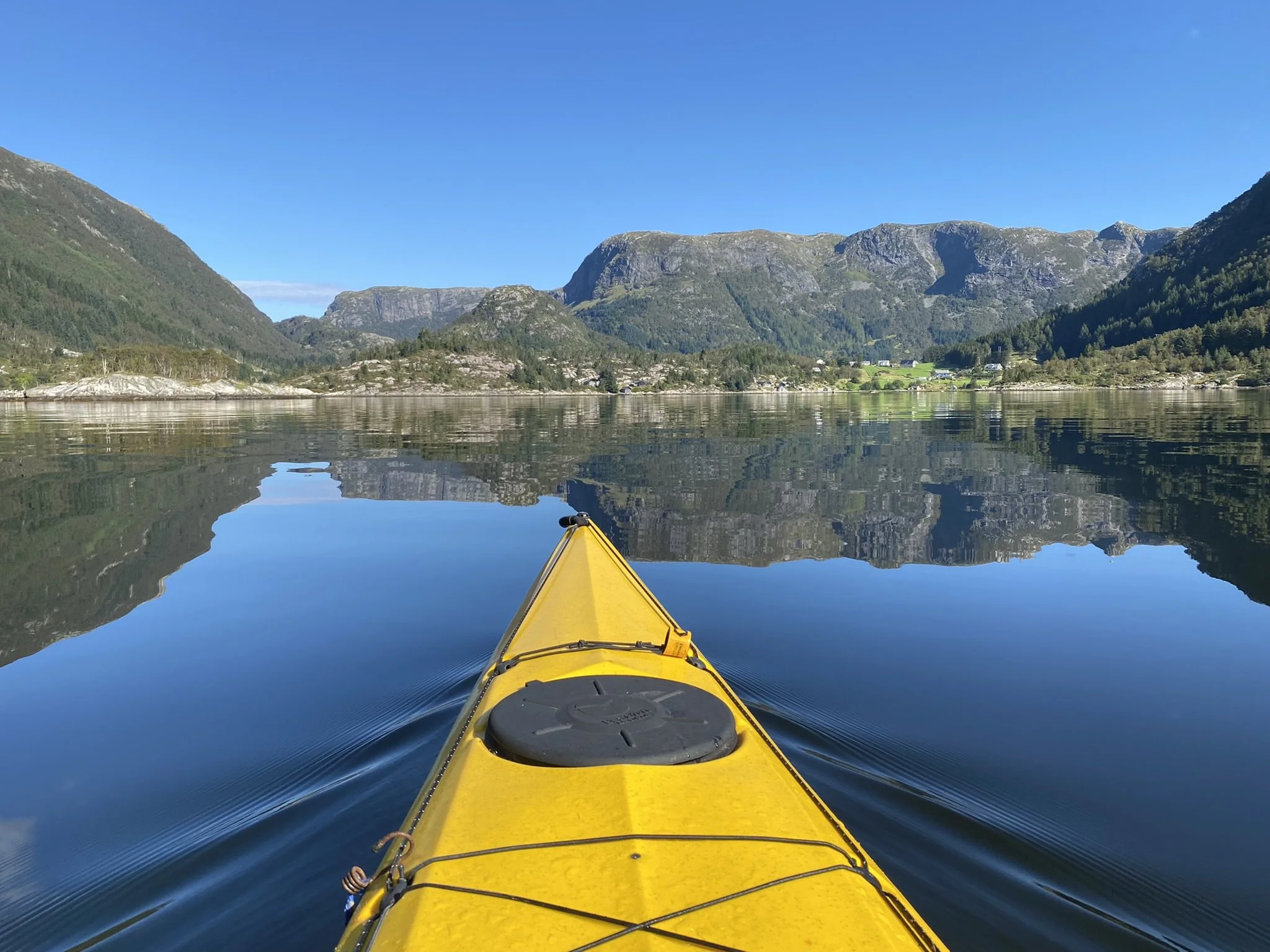 Image 2 of 2
Bergen to Modalen
Where Mountains Meet Water: The Modalen Fjord Narrative
Few destinations in the Norwegian fjord landscape combine the fjord's aquatic majesty with such dramatic Alpine proximity. The journey from Bergen to Modalen represents something increasingly rare in European travel: genuine exploration of territory that mass tourism has largely overlooked. This seven-to-eight-hour private expedition carries you from Norway's second-largest city through fjord passages and coastal landscapes, concluding in a valley where Alpine mountains seem to rise directly from the water itself.
Modalen isn't featured prominently in commercial tourism itineraries. Guidebooks tend to concentrate on the Geirangerfjord's fame or the Sognefjord's glacier connections. Yet precisely this absence from mainstream tourism consciousness makes Modalen compelling for discerning travellers seeking authentic Norwegian landscape immersion without the infrastructure designed for mass visitation.
The fjord system leading to Modalen reveals itself gradually—a journey of discovery rather than a transit to a predetermined destination. Your guide, drawing on local expertise accumulated through years of navigating these waters, will reveal the nuances that guidebooks miss: the particular qualities of light at different seasons, the bird species whose calls echo across the fjord, the historical narratives of settlements you pass, and the geological stories written in rock formations towering above the water.
Seven to Eight Hours of Progressive Revelation
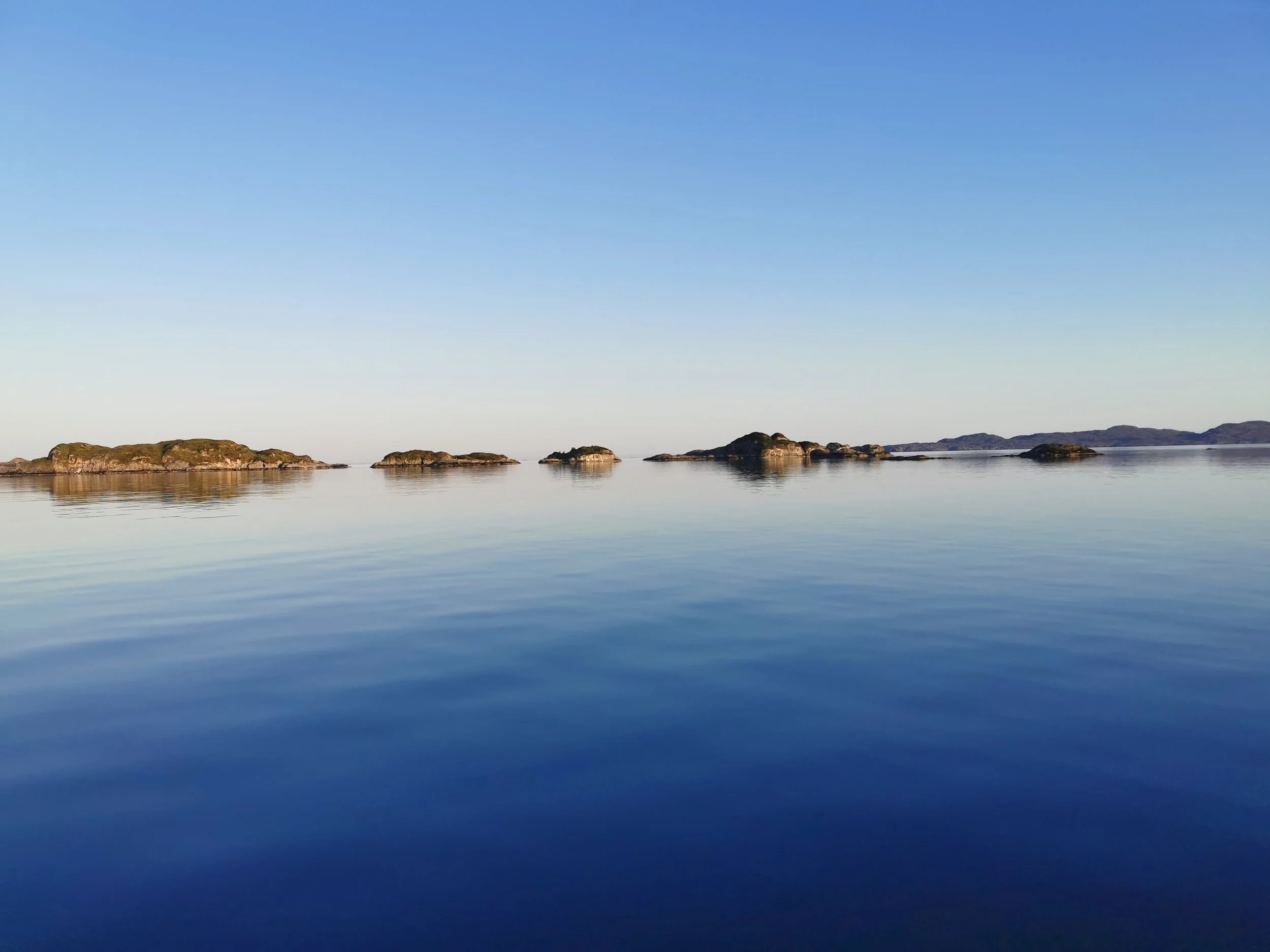
Your Bergen harbour departure begins in urban surroundings—a city of approximately 280,000 inhabitants, Norway's primary western gateway. Yet within the first hour, the landscape transforms. The archipelago's complexities emerge—a labyrinth of islands that only experienced navigators truly understand. Commercial ferry captains follow predetermined routes memorised through repetition. Your private guide, by contrast, understands the archipelago's character intimately. They know which passages reveal hidden waterfalls, where white-tailed eagles hunt seasonal thermals, and how light transforms the rock formations at different hours.
As your seven to eight-hour journey unfolds, the topography becomes progressively more dramatic. The initial coastal passages give way to fjord channels where the walls rise with increasingly vertical authority. Waterfalls cascade from mountain peaks—during spring snowmelt, roaring with primal force; in summer, appearing as delicate ribbons threading through green mountainsides. These aren't merely visual phenomena; they're expressions of hydrological cycles, seasonal rhythms, and the Alpine precipitation patterns that have shaped this region's character.
Your pace—calibrated by your group's interests rather than commercial schedules—permits genuine immersion in the unfolding landscape. Discover something unexpected? Your guide can linger. Photography conditions perfect? We pause. Wildlife emerges? Your group experiences the moment unrushed and completely privately.
The Modalen Valley: Where Alpine Meets Maritime
As your journey progresses deeper into the fjord system, you're approaching terrain where mountains transition from backdrop to dominant geographical fact. The Modalen valley represents a remarkable geographical phenomenon: a deep Alpine valley that extends directly to the fjord, creating a landscape where you can observe the full spectrum from sea level to mountain peaks without leaving your boat.
This geographical proximity of fjord and mountains creates a particular atmospheric quality. Weather systems shift rapidly. Light transforms constantly. The mountains' shadows create distinct climate zones—sun-drenched southern exposures contrasting sharply with cool, forested northern aspects. Your guide interprets these natural phenomena, helping you understand not merely what you observe, but why the landscape possesses its particular character.
The valley itself remains largely untouched by the commercial tourism infrastructure that characterises other Norwegian fjord regions. No cable cars transport crowds to mountain viewpoints. No restaurants cluster at scenic vistas. Instead, Modalen maintains its character as a genuine Alpine valley where human settlement remains modest and carefully integrated with the surrounding landscape.
Communities in the Landscape: Settlement and Tradition
The small villages dotting the fjord approach to Modalen tell stories of how humans have adapted to extraordinary terrain. Traditional Norwegian architecture—distinctive wooden buildings painted in rich reds and whites—appears in clusters along the shore. These communities have survived and even thrived through centuries in landscapes that would seem impossibly challenging to those accustomed to gentler topography.
Your guide will share the historical narratives of these settlements: the fishing families who depended on the fjord's bounty, the farmers who carved agricultural land from seemingly impossible mountainsides, the maritime heritage that runs through Norwegian consciousness like a fundamental current. These aren't merely historical anecdotes; they're testament to human capability, resilience, and adaptation.
Contemporary residents maintain connections to these traditions even as modern Norway surrounds them. Many continue seasonal fishing practices, maintain family farms, or operate small tourism ventures designed for individual travellers rather than commercial crowds. Your presence as a private group—not part of commercial tourism infrastructure—allows for authentic interaction with communities that have learned to be somewhat cautious about mass tourism's impacts.
Seasonal Transformations: When to Experience Modalen
Each season offers distinct advantages for exploring this remarkable valley and its fjord approach. Spring brings snowmelt, transforming the landscape into a cascading water exhibition. Waterfalls surge with power. Alpine flowers begin their brief, intense blooming cycle. The light lengthens noticeably, permitting extended hours of exploration.
Summer brings full accessibility and optimal weather for boat travel. The landscape glows in nearly constant daylight (the summer midnight sun reaches far north in Norway, though less dramatically at Modalen's latitude). Temperatures become genuinely warm—a relative rarity in West Norway. The valley's vegetation achieves full verdancy.
Autumn transforms the landscape into a more introspective palette. Greens deepen. The light becomes more dramatic and angled. Commercial tourism crowds diminish noticeably, making private experiences even more exclusive. Winter, while challenging, offers particular beauty for those equipped to handle it: snow-capped mountains, dramatically reduced tourist presence, and the possibility of Northern Lights viewing in clear conditions.
Your guide can advise which season aligns with your specific interests and preferences, helping you select optimal timing for your Modalen experience.
Sustenance and Comfort Throughout the Journey
Your seven to eight-hour expedition includes fresh fruit, premium snacks, and mineral water provided at moments that enhance rather than interrupt your immersion in the unfolding landscape. For those wishing to mark the occasion or simply enjoy an aperitif while observing the fjord, alcoholic beverages are available for purchase.
This thoughtful provision reflects a fundamental principle: a truly private experience anticipates needs without requiring passengers to articulate requests. You're never searching for refreshment or negotiating availability. What you require is there, selected for quality, and seamlessly integrated into the journey's rhythm.
The Value Proposition: NOK 40,000 for Incomparable Immersion
At NOK 40,000 for a full-day private experience, the Bergen to Modalen expedition represents distinctive value when calculated in terms of exclusivity, expertise, and genuine encounter. You're not purchasing a commodity sold to hundreds daily. You're investing in access to landscape that few international visitors ever truly experience, guided by local expertise, experienced aboard a vessel carrying only your group.
This pricing reflects the economics of private service provision: your guide's expertise, fuel costs, vessel maintenance, and the premium of exclusivity itself. Compare this with commercial alternatives, which might charge similar per-person rates while delivering generic experience shared with hundreds of passengers.
Customisation to Your Interests
While the Bergen to Modalen route represents a natural and magnificent journey, the specific itinerary remains flexible. Photography enthusiasts can request routes optimised for capturing light and landscape. Nature observers can work with your guide to maximise wildlife viewing opportunities. Those seeking contemplative moments can experience the boat as a private sanctuary.
Your guide's local knowledge permits customisation that commercial operations cannot offer. You're not locked into predetermined itineraries. Instead, you're working collaboratively with expertise to create an experience tailored to your specific interests and preferences.
Why Modalen Instead of Mainstream Alternatives
The distinction between private Modalen experiences and commercial tourism to more famous fjord destinations becomes visceral once you've experienced both. The Geirangerfjord, while undeniably spectacular, receives over 400,000 annual visitors. Sognefjord's main passages accommodate constant commercial traffic. Modalen, by contrast, remains remarkably untouched by mass tourism infrastructure.
This isn't merely absence of crowds—though that matters. It's the difference between landscape experienced as authentic geography versus landscape experienced as a curated attraction. Your private guide helps you understand Modalen as territory rather than as a destination. The distinction profoundly affects how you absorb and remember the experience.
Perfect Itinerary Integration
For international visitors building multifaceted Norwegian adventures, the Bergen to Modalen journey integrates excellently with other West Norwegian experiences. Perhaps you're combining fjord exploration with mountain hiking, fishing, or cultural experiences. Perhaps you're using Bergen as your base and taking multiple private fjord journeys to different destinations. The seven to eight-hour duration permits same-day return to Bergen if desired, or continuation onwards to other Norwegian regions.
This flexibility makes the Modalen journey particularly appealing to those with ambitious Norwegian itineraries but limited time. You can experience genuine fjord immersion without multi-day commitments or distant departure points.
For comparable private experiences departing from Bergen, explore our Bergen Archipelago Fjord Cruise for harbour-focused journeys, our Bergen to Hardangerfjord expedition for broader fjord system exploration, or our Bergen Island Experiences for alternative West Norwegian maritime routes.
Where Mountains Meet Water: The Modalen Fjord Narrative
Few destinations in the Norwegian fjord landscape combine the fjord's aquatic majesty with such dramatic Alpine proximity. The journey from Bergen to Modalen represents something increasingly rare in European travel: genuine exploration of territory that mass tourism has largely overlooked. This seven-to-eight-hour private expedition carries you from Norway's second-largest city through fjord passages and coastal landscapes, concluding in a valley where Alpine mountains seem to rise directly from the water itself.
Modalen isn't featured prominently in commercial tourism itineraries. Guidebooks tend to concentrate on the Geirangerfjord's fame or the Sognefjord's glacier connections. Yet precisely this absence from mainstream tourism consciousness makes Modalen compelling for discerning travellers seeking authentic Norwegian landscape immersion without the infrastructure designed for mass visitation.
The fjord system leading to Modalen reveals itself gradually—a journey of discovery rather than a transit to a predetermined destination. Your guide, drawing on local expertise accumulated through years of navigating these waters, will reveal the nuances that guidebooks miss: the particular qualities of light at different seasons, the bird species whose calls echo across the fjord, the historical narratives of settlements you pass, and the geological stories written in rock formations towering above the water.
Seven to Eight Hours of Progressive Revelation
Your Bergen harbour departure begins in urban surroundings—a city of approximately 280,000 inhabitants, Norway's primary western gateway. Yet within the first hour, the landscape transforms. The archipelago's complexities emerge—a labyrinth of islands that only experienced navigators truly understand. Commercial ferry captains follow predetermined routes memorised through repetition. Your private guide, by contrast, understands the archipelago's character intimately. They know which passages reveal hidden waterfalls, where white-tailed eagles hunt seasonal thermals, and how light transforms the rock formations at different hours.
As your seven to eight-hour journey unfolds, the topography becomes progressively more dramatic. The initial coastal passages give way to fjord channels where the walls rise with increasingly vertical authority. Waterfalls cascade from mountain peaks—during spring snowmelt, roaring with primal force; in summer, appearing as delicate ribbons threading through green mountainsides. These aren't merely visual phenomena; they're expressions of hydrological cycles, seasonal rhythms, and the Alpine precipitation patterns that have shaped this region's character.
Your pace—calibrated by your group's interests rather than commercial schedules—permits genuine immersion in the unfolding landscape. Discover something unexpected? Your guide can linger. Photography conditions perfect? We pause. Wildlife emerges? Your group experiences the moment unrushed and completely privately.
The Modalen Valley: Where Alpine Meets Maritime
As your journey progresses deeper into the fjord system, you're approaching terrain where mountains transition from backdrop to dominant geographical fact. The Modalen valley represents a remarkable geographical phenomenon: a deep Alpine valley that extends directly to the fjord, creating a landscape where you can observe the full spectrum from sea level to mountain peaks without leaving your boat.
This geographical proximity of fjord and mountains creates a particular atmospheric quality. Weather systems shift rapidly. Light transforms constantly. The mountains' shadows create distinct climate zones—sun-drenched southern exposures contrasting sharply with cool, forested northern aspects. Your guide interprets these natural phenomena, helping you understand not merely what you observe, but why the landscape possesses its particular character.
The valley itself remains largely untouched by the commercial tourism infrastructure that characterises other Norwegian fjord regions. No cable cars transport crowds to mountain viewpoints. No restaurants cluster at scenic vistas. Instead, Modalen maintains its character as a genuine Alpine valley where human settlement remains modest and carefully integrated with the surrounding landscape.
Communities in the Landscape: Settlement and Tradition
The small villages dotting the fjord approach to Modalen tell stories of how humans have adapted to extraordinary terrain. Traditional Norwegian architecture—distinctive wooden buildings painted in rich reds and whites—appears in clusters along the shore. These communities have survived and even thrived through centuries in landscapes that would seem impossibly challenging to those accustomed to gentler topography.
Your guide will share the historical narratives of these settlements: the fishing families who depended on the fjord's bounty, the farmers who carved agricultural land from seemingly impossible mountainsides, the maritime heritage that runs through Norwegian consciousness like a fundamental current. These aren't merely historical anecdotes; they're testament to human capability, resilience, and adaptation.
Contemporary residents maintain connections to these traditions even as modern Norway surrounds them. Many continue seasonal fishing practices, maintain family farms, or operate small tourism ventures designed for individual travellers rather than commercial crowds. Your presence as a private group—not part of commercial tourism infrastructure—allows for authentic interaction with communities that have learned to be somewhat cautious about mass tourism's impacts.
Seasonal Transformations: When to Experience Modalen
Each season offers distinct advantages for exploring this remarkable valley and its fjord approach. Spring brings snowmelt, transforming the landscape into a cascading water exhibition. Waterfalls surge with power. Alpine flowers begin their brief, intense blooming cycle. The light lengthens noticeably, permitting extended hours of exploration.
Summer brings full accessibility and optimal weather for boat travel. The landscape glows in nearly constant daylight (the summer midnight sun reaches far north in Norway, though less dramatically at Modalen's latitude). Temperatures become genuinely warm—a relative rarity in West Norway. The valley's vegetation achieves full verdancy.
Autumn transforms the landscape into a more introspective palette. Greens deepen. The light becomes more dramatic and angled. Commercial tourism crowds diminish noticeably, making private experiences even more exclusive. Winter, while challenging, offers particular beauty for those equipped to handle it: snow-capped mountains, dramatically reduced tourist presence, and the possibility of Northern Lights viewing in clear conditions.
Your guide can advise which season aligns with your specific interests and preferences, helping you select optimal timing for your Modalen experience.
Sustenance and Comfort Throughout the Journey
Your seven to eight-hour expedition includes fresh fruit, premium snacks, and mineral water provided at moments that enhance rather than interrupt your immersion in the unfolding landscape. For those wishing to mark the occasion or simply enjoy an aperitif while observing the fjord, alcoholic beverages are available for purchase.
This thoughtful provision reflects a fundamental principle: a truly private experience anticipates needs without requiring passengers to articulate requests. You're never searching for refreshment or negotiating availability. What you require is there, selected for quality, and seamlessly integrated into the journey's rhythm.
The Value Proposition: NOK 40,000 for Incomparable Immersion
At NOK 40,000 for a full-day private experience, the Bergen to Modalen expedition represents distinctive value when calculated in terms of exclusivity, expertise, and genuine encounter. You're not purchasing a commodity sold to hundreds daily. You're investing in access to landscape that few international visitors ever truly experience, guided by local expertise, experienced aboard a vessel carrying only your group.
This pricing reflects the economics of private service provision: your guide's expertise, fuel costs, vessel maintenance, and the premium of exclusivity itself. Compare this with commercial alternatives, which might charge similar per-person rates while delivering generic experience shared with hundreds of passengers.
Customisation to Your Interests
While the Bergen to Modalen route represents a natural and magnificent journey, the specific itinerary remains flexible. Photography enthusiasts can request routes optimised for capturing light and landscape. Nature observers can work with your guide to maximise wildlife viewing opportunities. Those seeking contemplative moments can experience the boat as a private sanctuary.
Your guide's local knowledge permits customisation that commercial operations cannot offer. You're not locked into predetermined itineraries. Instead, you're working collaboratively with expertise to create an experience tailored to your specific interests and preferences.
Why Modalen Instead of Mainstream Alternatives
The distinction between private Modalen experiences and commercial tourism to more famous fjord destinations becomes visceral once you've experienced both. The Geirangerfjord, while undeniably spectacular, receives over 400,000 annual visitors. Sognefjord's main passages accommodate constant commercial traffic. Modalen, by contrast, remains remarkably untouched by mass tourism infrastructure.
This isn't merely absence of crowds—though that matters. It's the difference between landscape experienced as authentic geography versus landscape experienced as a curated attraction. Your private guide helps you understand Modalen as territory rather than as a destination. The distinction profoundly affects how you absorb and remember the experience.
Perfect Itinerary Integration
For international visitors building multifaceted Norwegian adventures, the Bergen to Modalen journey integrates excellently with other West Norwegian experiences. Perhaps you're combining fjord exploration with mountain hiking, fishing, or cultural experiences. Perhaps you're using Bergen as your base and taking multiple private fjord journeys to different destinations. The seven to eight-hour duration permits same-day return to Bergen if desired, or continuation onwards to other Norwegian regions.
This flexibility makes the Modalen journey particularly appealing to those with ambitious Norwegian itineraries but limited time. You can experience genuine fjord immersion without multi-day commitments or distant departure points.
For comparable private experiences departing from Bergen, explore our Bergen Archipelago Fjord Cruise for harbour-focused journeys, our Bergen to Hardangerfjord expedition for broader fjord system exploration, or our Bergen Island Experiences for alternative West Norwegian maritime routes.